
The Four Cs of Diamond Quality
August 17th, 2026
THE FOUR CS OF DIAMOND QUALITY: A COMPLETE GUIDE
MASTER FOUR CS DIAMOND QUALITY WITHOUT THE OVERWHELMING CONFUSION
The Four Cs are cut, color, clarity, and carat weight; four factors that give you an objective, universal way to evaluate any diamond's quality. This guide is designed for first-time diamond buyers, couples upgrading their jewelry, and anyone seeking to understand diamond quality. Knowing the Four Cs empowers you to make informed, confident decisions and avoid costly mistakes when buying a diamond. Understanding them transforms diamond shopping from a stressful guessing game into a confident, informed decision. Here's everything you need to know to choose a diamond you'll love for a lifetime.
FINALLY, DIAMOND EDUCATION BUILT FOR REAL BUYERS
If you've ever walked into a jewelry store and felt overwhelmed by terms like "VS2 clarity," "excellent cut grade," or "near colorless," you're far from alone. Most people find diamond grading confusing, and conflicting advice from different sources only makes it worse. You shouldn't need a gemology degree to buy a beautiful stone.
That's exactly why the 4Cs system exists. Developed by Robert M. Shipley, founder of the Gemological Institute of America (GIA), in the 1940s, this framework replaced vague, inconsistent descriptions like "river" and "water" with precise, measurable standards. The 4Cs standard offers a way to compare diamonds and their prices objectively, whether you're shopping locally or across the country.
At Gerald Peters, decades of experience have been built on making this knowledge accessible. Rather than hiding behind jargon, our diamond experts walk you through each factor so you can see, understand, and feel confident about every decision. The result: you choose a diamond that genuinely matches your vision, your style, and your budget, without the overwhelm.
WHY THE 4CS DIAMOND SYSTEM WORKS
Here's why the Four Cs diamond framework has become the global standard for diamond quality evaluation:
- Standardized criteria: The Four Cs are the key components buyers use to evaluate a diamond objectively. Every diamond professional worldwide uses the same grading scales, so a color grade or clarity grade means the same thing regardless of where you shop.
- Objective measurements: The system eliminates subjective opinions. Diamond grading relies on controlled lighting, calibrated instruments, and reference standards, not personal taste or sales pressure.
- Accurate comparison: You can compare two diamonds side by side on paper, even if they're in different stores or different countries, because the four factors are measured consistently.
- Accessible complexity: Decades of gemological science are distilled into four easy-to-understand categories that any buyer can learn quickly.
- Protection from costly mistakes: When you understand what grades determine the value of a diamond, you avoid overpaying for invisible quality differences or underpaying for a stone that will disappoint.
Now that you understand why the 4Cs system is so valuable, let's break down how diamond grading actually works in practice.
HOW DIAMOND GRADING AND EVALUATION WORKS
Getting to a confident purchase doesn't require complexity. The process breaks into three clear steps.
Every diamond is evaluated on these four dimensions:
- Cut: Determines how brilliantly your diamond sparkles and reflects light. The cut refers not to its diamond shape (like round, oval, emerald), but to how precisely the diamond's facets are angled, proportioned, and polished. The cut affects a diamond's brilliance and sparkle. The round brilliant cut has 58 facets for maximum light reflection, and GIA grades round brilliant diamonds on a five-point scale: Excellent, Very Good, Good, Fair, and Poor. A well-cut diamond has facets arranged to reflect light back through the stone, enhancing its sparkle, while a poorly cut diamond appears dull and loses light. Cut is the most important factor for diamond sparkle, experts consistently recommend you prioritize cut above the other factors.
- Color: Measures how colorless and pure your diamond appears. Diamonds are graded on a scale from D (colorless) to Z (light yellow). Colorless diamonds are graded D, E, or F, and they are the most costly due to rarity. Choosing a near-colorless diamond (G–J) can provide good value and appearance, since most people cannot distinguish between adjacent color grades once a stone is mounted. Colored diamonds, vivid blues, pinks, and intense yellows, are valued for their color intensity rather than their absence of color, and these colorful diamonds are rarer than traditional colorless diamonds.
- Clarity: Measures the presence of inclusions and blemishes in diamonds. Inclusions are internal natural imperfections, while blemishes are external imperfections affecting diamond clarity. Clarity is graded from Flawless (FL) to Imperfect (I), across categories including Internally Flawless (IF), VVS1/VVS2, VS1/VS2, SI1/SI2, and I1/I2/I3. Only a tiny percentage of diamonds achieve a Flawless clarity grade, they are extremely rare. Inclusions can diminish a diamond's sparkle and value, but most people cannot see imperfections in diamonds without magnification.
- Carat: Indicates the diamond's weight. One carat equals 200 milligrams, or one-fifth of a gram. Carats are divided into 100 points each, so a half-carat diamond is referred to as a 50-point stone. Carat measures a diamond's weight, not its size; two diamonds of equal carat weight can look different in visual size depending on cut proportions and diamond shape. Higher carat weight generally indicates a larger and rarer diamond, and larger diamonds are rarer and more expensive, with price per carat increasing significantly at milestone weights like one carat.
Understanding the Four Cs is just the beginning; let's see how these factors interact and how you can apply this knowledge to your own diamond purchase.
HOW THE FOUR CS WORK TOGETHER
The 4Cs don't operate in isolation. They interact in ways that directly affect your diamond's overall appearance and value.
A diamond's cut has the greatest effect on how color and clarity appear. A well-cut diamond appears more beautiful than a larger, poorly cut one, because superior light performance masks minor color warmth and makes inclusions less visible to the naked eye. Conversely, even a high color-clarity combination will look flat if the stone suffers from a poor cut.
Which factors matter most depends on your chosen diamond shape and setting style. Step-cut shapes like emerald cuts have large, open tables that make inclusions visible more readily, so clarity becomes critical. Brilliant cuts (round, oval, cushion) disperse light aggressively, hiding inclusions and masking color warmth more effectively. Your metal choice matters too: yellow gold can mask slight warmth in lower color grades, while white gold and platinum highlight color more, pushing preferences toward G or higher.
Balancing the 4Cs is how you maximize a diamond's beauty within any budget. Rather than chasing perfect grades across all four factors, strategic trade-offs, like choosing a slightly warmer color grade to afford better cut quality or a larger stone, often deliver the most beautiful diamonds for the investment.
APPLY KNOWLEDGE TO YOUR PURCHASE
Armed with 4Cs knowledge, you evaluate specific stones with clarity and confidence:
- Request certified diamonds with a grading report from a respected laboratory, such as the Gemological Institute of America or the International Gemological Institute, to verify a diamond's quality objectively.
- A well-cut diamond with eye-clean clarity and near-colorless grades often delivers the best value and the most stunning overall beauty.
- Selecting an eye-clean clarity grade can save money while maintaining appearance, a VS2 or SI1 in a round brilliant can look identical to a VVS grade to the naked eye.
- Avoid the common mistake of overpaying for color or clarity grades that are indistinguishable once mounted, while underspending on cut quality where the difference is immediately visible.
- Compare diamonds under multiple lighting conditions, like daylight, LED, candlelight, to understand how light reflects and how the stone performs in real life.
WHAT MAKES GERALD PETERS DIFFERENT
Most jewelers hand you a certificate and a price tag. Gerald Peters takes a fundamentally different approach:
- Two generations of family expertise: Our diamond experts have guided thousands of customers through the nuances of diamond quality. This isn't corporate training, it's knowledge passed down through decades of hands-on experience.
- See and compare in person: In our Staten Island showroom you can examine diamonds side by side under different lighting. You'll see with your own eyes how cut quality affects a diamond's brilliance, how color grades compare in different metals, and where clarity differences become visible to the naked eye.
- No-pressure education: We believe personalized guidance matters more than a sales pitch. Our team helps you understand which qualities you'll actually see, which you won't, and where your budget delivers the most impact.
- Custom design services that optimize the 4Cs for your specific vision – Whether you want to pair a warm-toned stone with rose gold for maximum beauty or select the perfect center diamond for a halo setting, we tailor every element to your design goals.
SUCCESS STORIES FROM OUR CUSTOMERS
"We came in knowing almost nothing about diamonds, and our consultant spent over an hour showing us how different cut grades looked next to each other. The difference between a Very Good and Excellent cut was stunning, we ended up choosing a slightly smaller stone with an Excellent cut, and it sparkles more than anything we'd seen online."
- Recent engagement ring customer
"I was convinced I needed a D color, flawless diamond until I saw a G color, VS2 side by side with a D color, VVS1 in the same setting. Honestly? I couldn't tell the difference with my naked eye. We put the savings toward a larger carat weight and a custom setting, and the ring is absolutely gorgeous."
- Customer who maximized their budget by balancing color and clarity grades
"My fiancée wanted an emerald cut, and the team at Gerald Peters explained why clarity matters more with step cuts. They helped us find a stone with excellent clarity and perfect proportions. Every time she looks at her hand, she says it's the most beautiful diamond she's ever seen."
- Couple who found their perfect engagement ring through understanding cut quality and shape
WHO THIS GUIDE HELPS
This beginner's guide to the Four Cs is built for anyone who wants to make a confident diamond purchase:
- First-time diamond buyers preparing for engagements or milestone celebrations who want to understand diamond grading before stepping into a store
- Couples looking to upgrade their existing diamonds with informed choices that maximize visual beauty and long-term satisfaction
- Gift buyers who want to select beautiful diamonds confidently without needing prior diamond expertise
- Anyone curious about jewelry investment value who wants to understand what makes each stone unique and how the 4Cs affect pricing
If you want to stop guessing and start choosing diamonds with real knowledge, this guide—and our team—are here for you.
DIAMOND SHAPE AND OPTIONS AT GERALD PETERS
CLASSIC COLLECTION – TRADITIONAL EXCELLENCE
Our classic collection features round brilliant and traditional shapes with certified quality grades from trusted laboratories. These are perfect for timeless engagement rings and traditional jewelry designs, with a full range of 4Cs options available to match various budgets and preferences. Every diamond comes with a grading report so you know exactly what you're getting.
DESIGNER COLLECTION – PREMIUM SELECTION
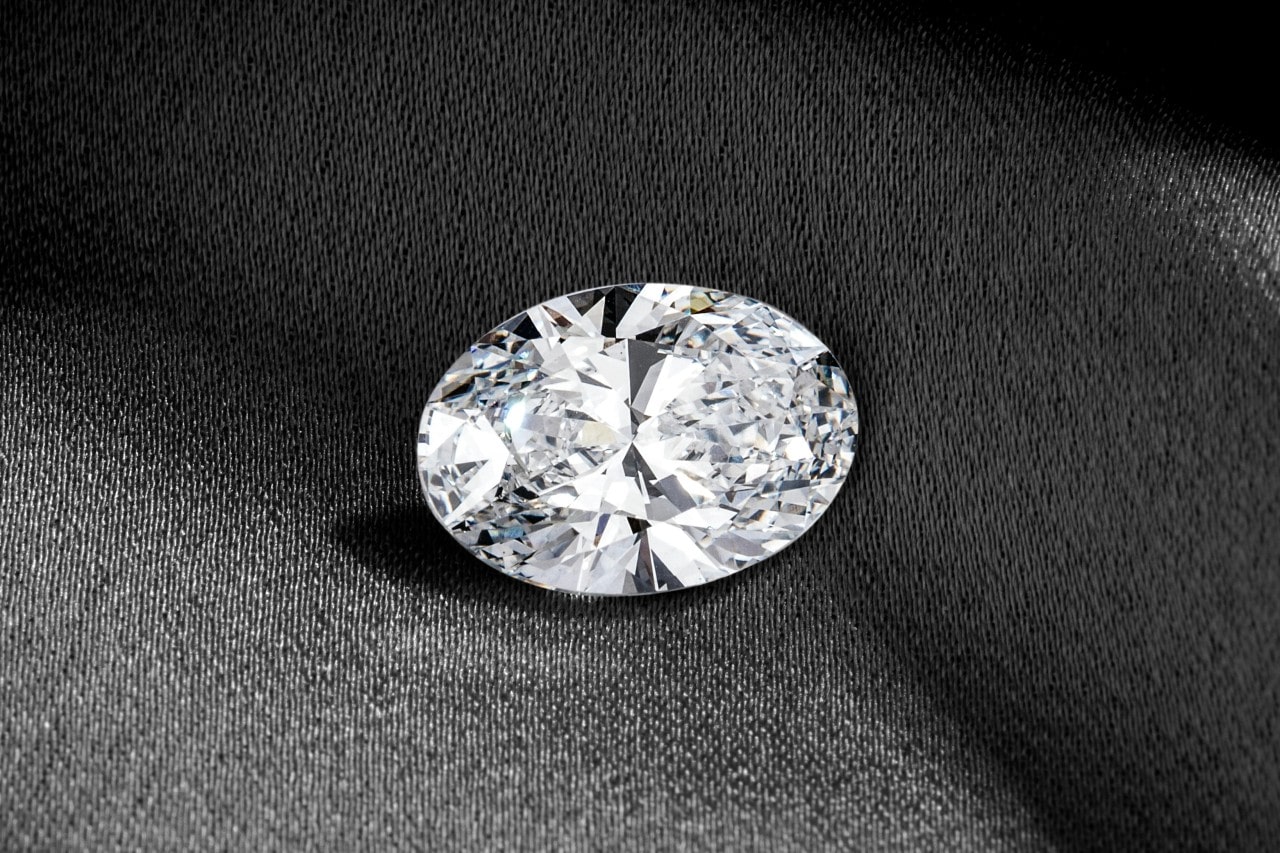
For discerning customers who want exceptional light performance and rare quality, our designer collection showcases diamonds with high-quality cut grades and premium color clarity combinations. Explore unique shapes, from oval to cushion to marquise, with standout clarity grades and carefully selected proportions. Common fancy shapes include oval, emerald, and cushion, and expert evaluation is crucial for fancy-shaped diamonds since fancy-shaped diamonds do not receive standardized cut grades.
CUSTOM CREATION – YOUR VISION REALIZED
Through our custom design pro cess, we select diamonds tailored to your specific design goals. We optimize the interplay between the 4Cs for your chosen setting style, ensuring a warm-toned diamond is paired with the right metal, or a high-clarity stone is showcased in a setting that highlights its purity. The collaborative process includes expert guidance at every stage, from loose stone selection through final setting.
FREQUENTLY ASKED QUESTIONS
WHICH OF THE 4CS IS MOST IMPORTANT?
Prioritizing cut is recommended for maximizing a diamond's sparkle. The cut affects a diamond's brilliance and sparkle more than any other single factor. A well-cut diamond appears more beautiful than a larger, poorly cut one—even if the larger stone has superior color and clarity grades. That said, priorities can shift based on your setting style: if you're choosing a step-cut shape, clarity becomes especially important. Your Gerald Peters diamond expert can help you determine the right balance for your specific piece.
DO I NEED PERFECT GRADES IN ALL 4CS?
Not at all. The most beautiful diamonds often feature balanced rather than perfect grades. For example, a 1-carat round brilliant with Excellent cut, G color, and SI1 clarity can appear more brilliant and visually stunning than a higher-graded stone with a merely Good cut. Choosing a near-colorless diamond (G–J) paired with eye-clean clarity (VS2 or better for brilliant cuts) typically delivers the best value while maintaining gorgeous overall beauty. The key is knowing where premium grades produce visible differences and where they don't.
HOW DO I VERIFY DIAMOND QUALITY?
A grading report from a respected laboratory verifies a diamond's quality. Look for reports from the Gemological Institute of America (GIA) or the International Gemological Institute (IGI), which provide detailed measurements of all 4Cs plus polish, symmetry, fluorescence, and proportions. Each report includes a unique identification number you can verify through the lab's online database. Reports also clearly distinguish between natural diamonds and lab-grown diamonds. At Gerald Peters, every certified diamond comes with its full grading documentation.
CAN I SEE THE DIFFERENCE BETWEEN DIAMOND GRADES?
Some differences are visible to the naked eye; others require magnification. In color, most people cannot tell the difference between D, E, and F grades once a stone is mounted, these subtle distinctions require controlled lab conditions and master reference stones. Color becomes more noticeable around I–J grades, especially in white metal settings. For clarity, inclusions visible without magnification typically begin around SI2 or I1 grades, while VS2 and above are generally eye-clean. Cut differences, however, are immediately apparent: the diamond's sparkle in an Excellent cut versus a Fair cut is dramatic. We invite you to visit our Staten Island showroom to compare diamonds in person, seeing the differences firsthand is the most powerful education available.
START YOUR DIAMOND JOURNEY WITH CONFIDENCE
Reading about the Four Cs is valuable. Seeing them in action is transformative.
Visit Gerald Peters in Staten Island to experience diamonds firsthand. Our team will walk you through side-by-side comparisons, explain how each factor affects what you see, and help you find the stone that delivers maximum brilliance for your vision and budget.
Whether you're shopping for an engagement ring, a wedding band, or a custom piece, you'll receive personalized guidance from a family that has spent four generations helping people find their perfect diamonds.
No pressure. No jargon. Just honest expertise and beautiful diamonds, chosen with confidence.